

Notes 001 —The New Icons of Eyewear
For decades, eyewear had its icons.
John Lennon's tiny round frames. Audrey Hepburn behind oversized sunglasses. Iris Apfel, whose enormous black opticals became almost inseparable from her identity.
Certain frames didn't just belong to a person. They came to represent an era.
But look at the generation shaping fashion now, and something interesting happens.
There is no Gen Z frame.
A generation without a shape
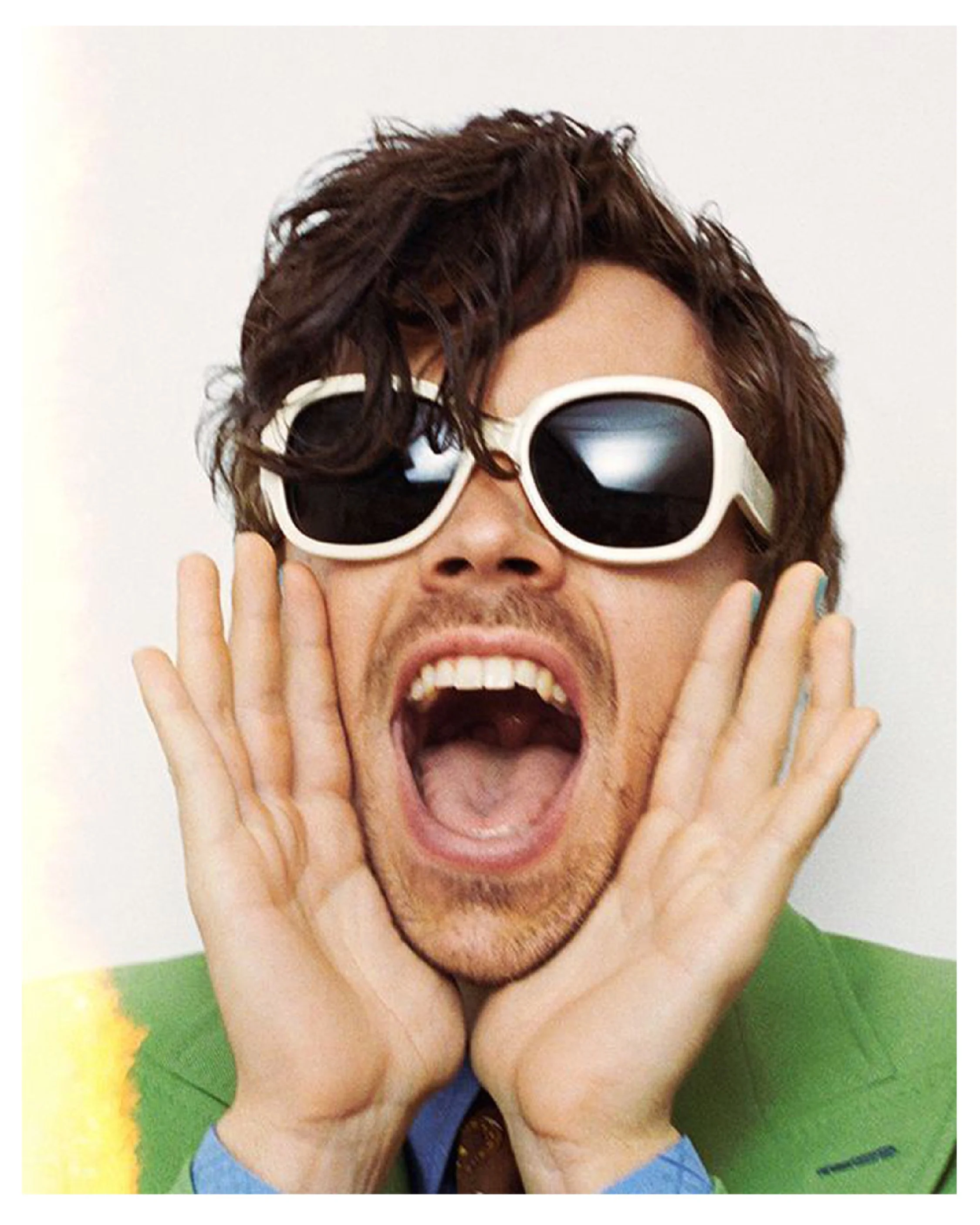
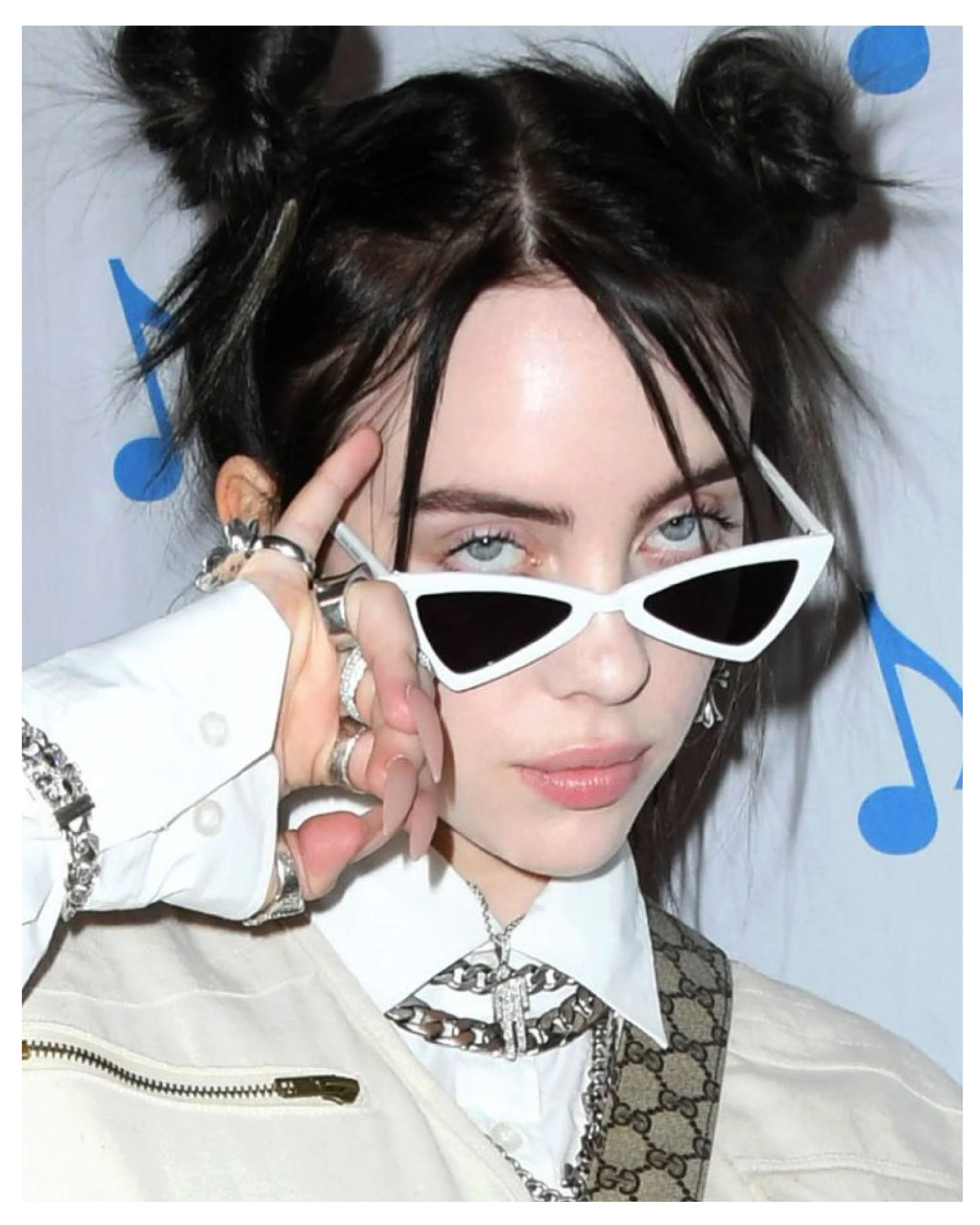
Harry Styles moves between oversized retro frames, aviators and sporty silhouettes. Billie Eilish can wear a razor-sharp cat-eye one day and something completely oversized the next. Zendaya moves effortlessly between classic glamour and more experimental eyewear.
Across fashion, the same freedom exists.
Rimless. Wraparound. Aviator. Tiny oval. Oversized acetate. Y2K rectangles. Shapes borrowed from the '60s, '70s, '90s and early 2000s all exist at once.
Gen Z hasn't chosen an eyewear era. It has access to all of them.
Which made me wonder whether we've been looking for its defining eyewear signature in the wrong place.
The colour that keeps showing up
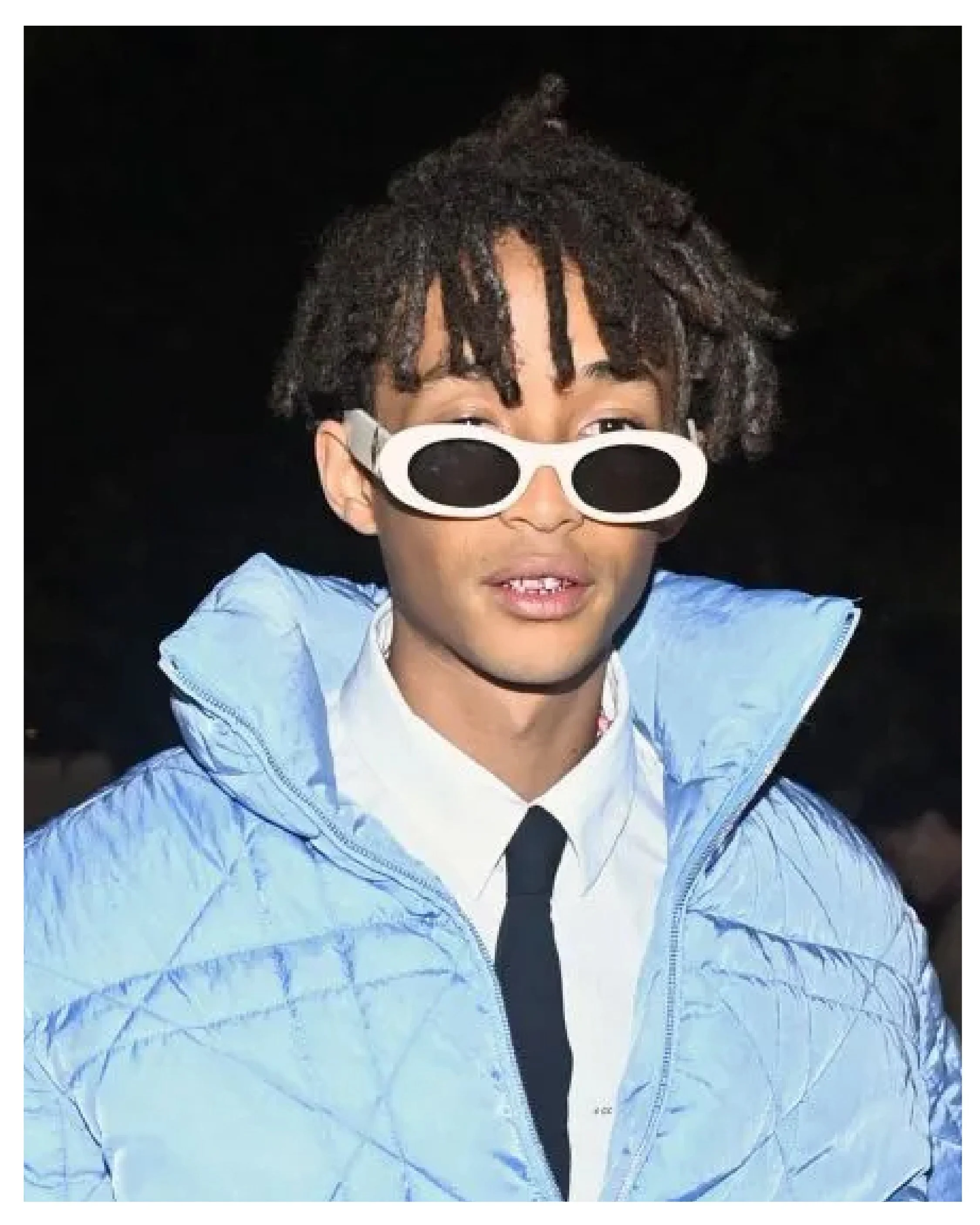
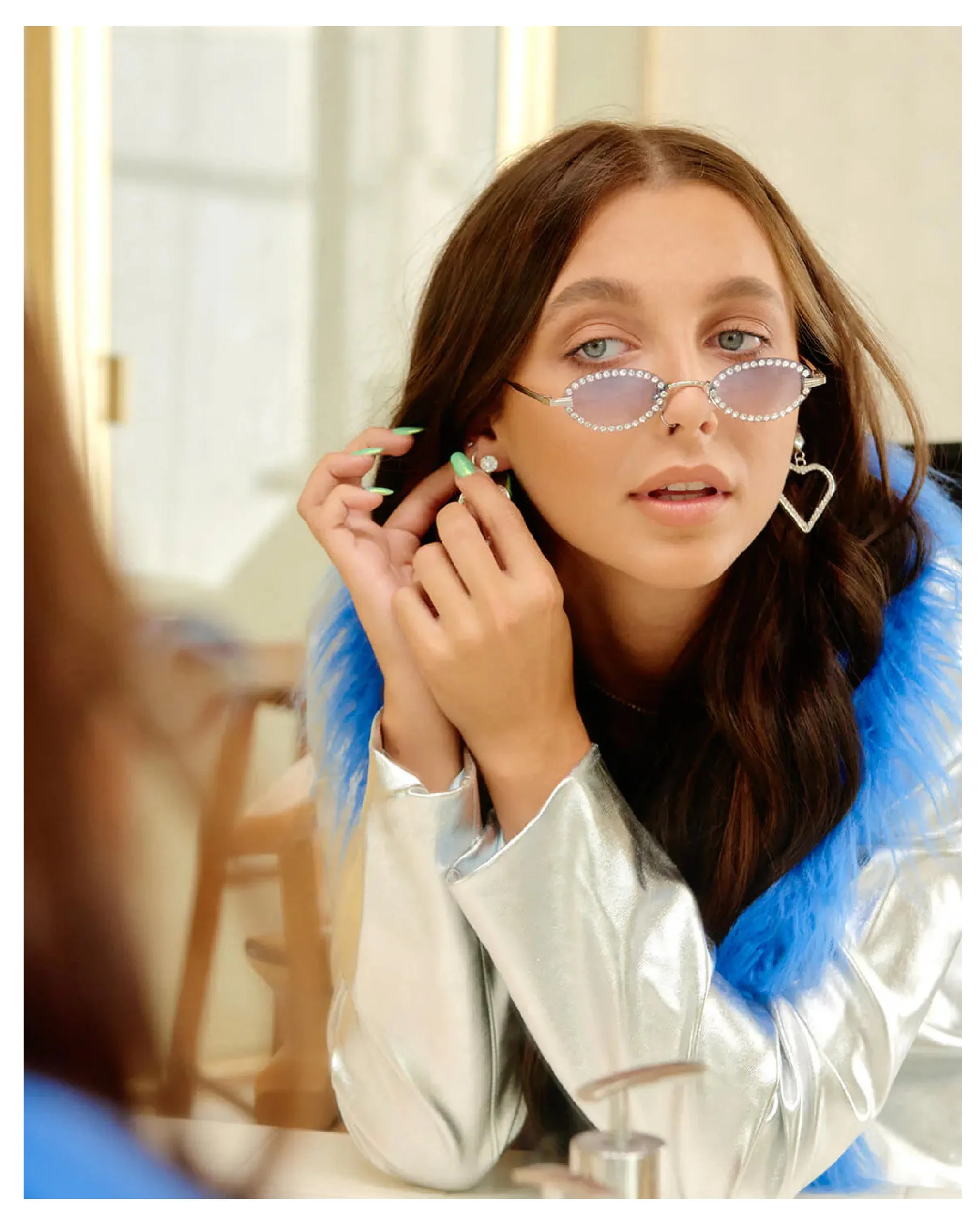
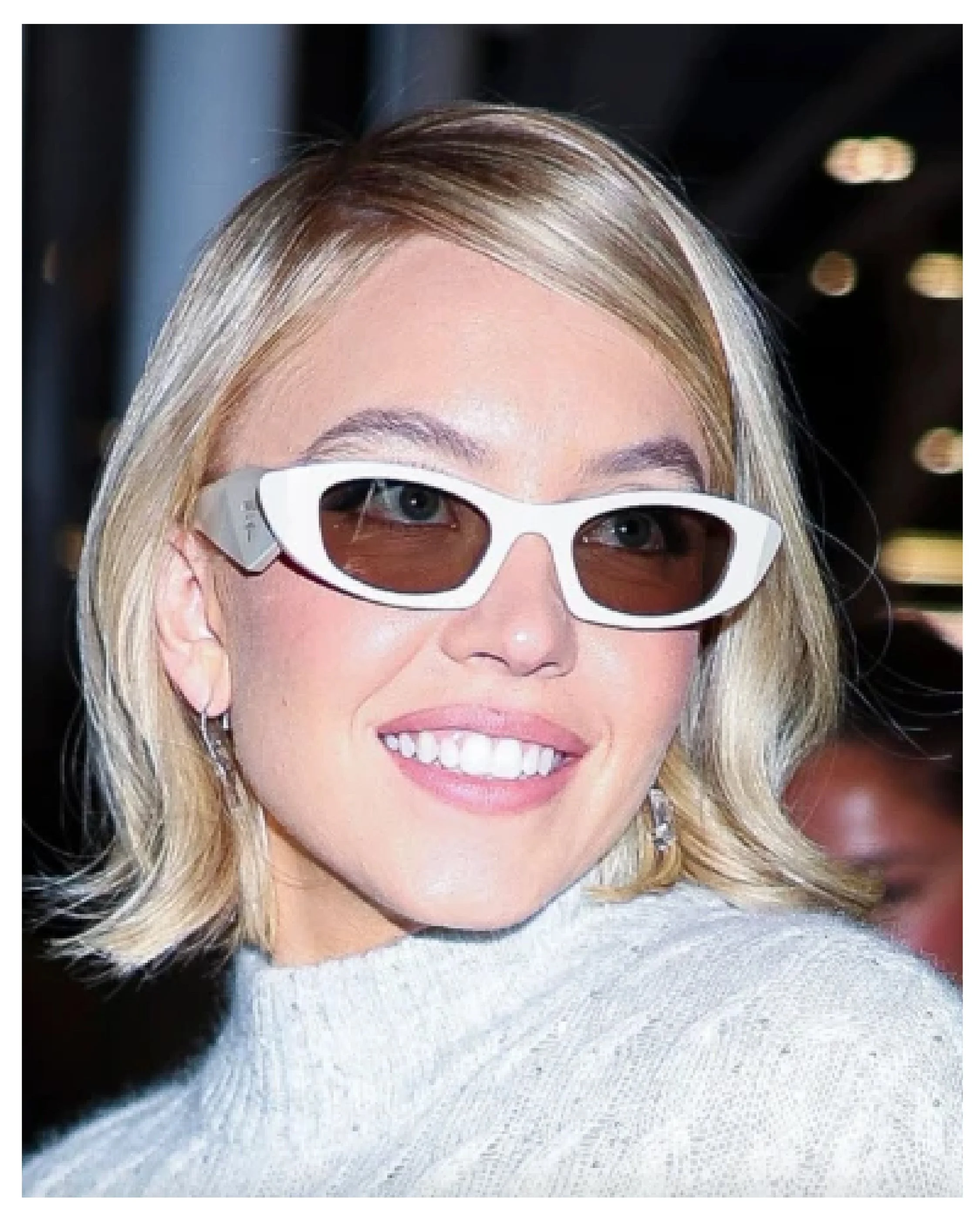
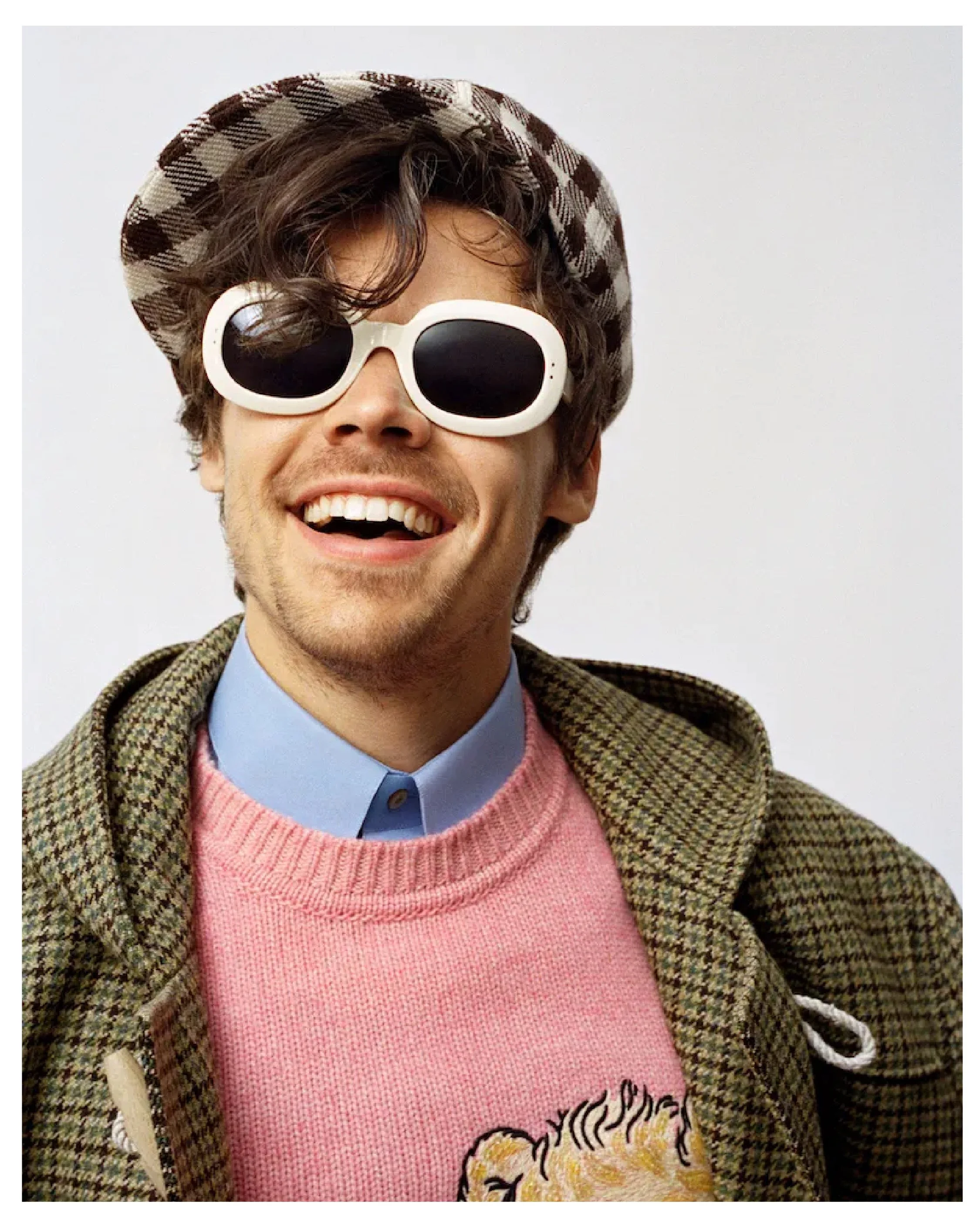
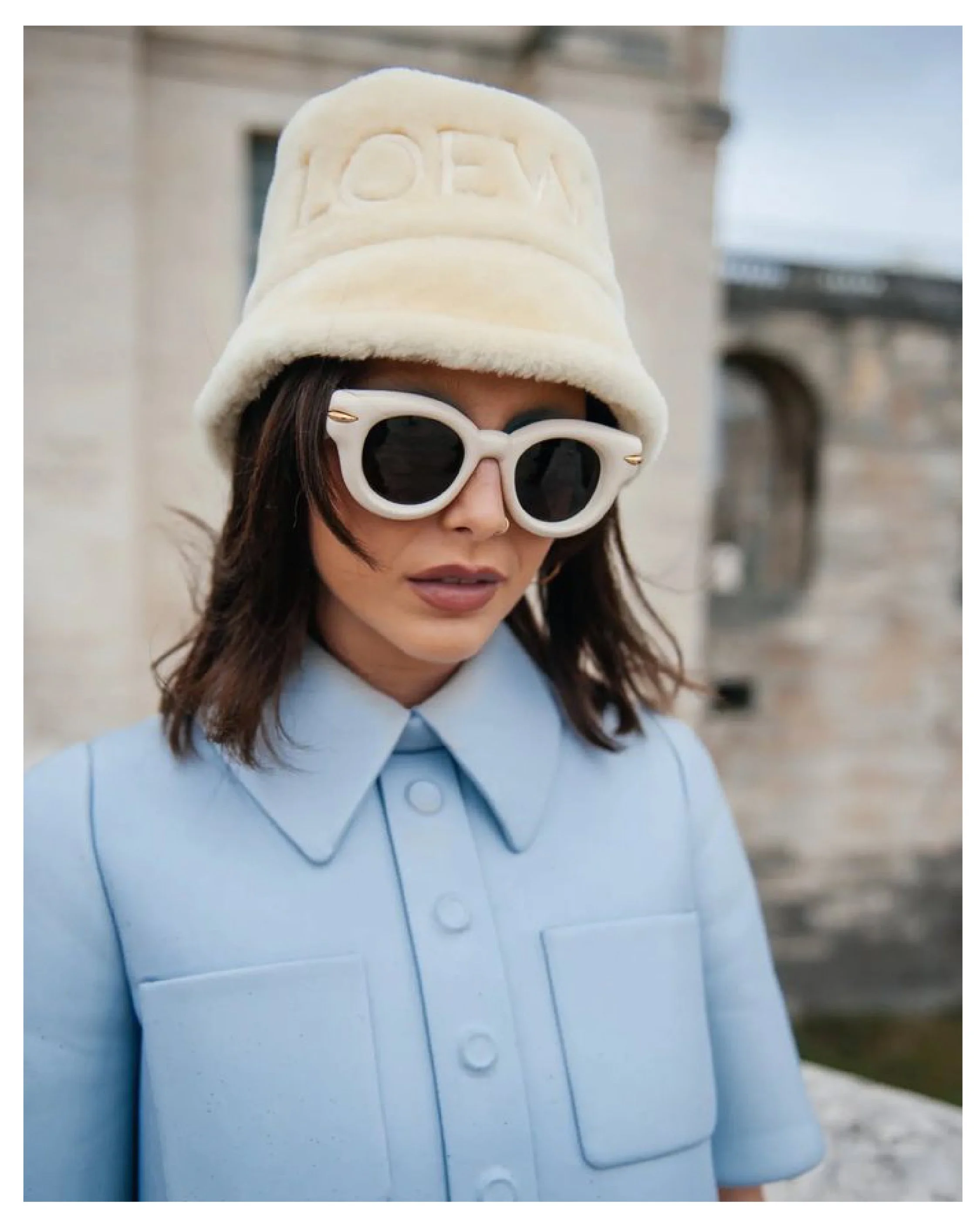
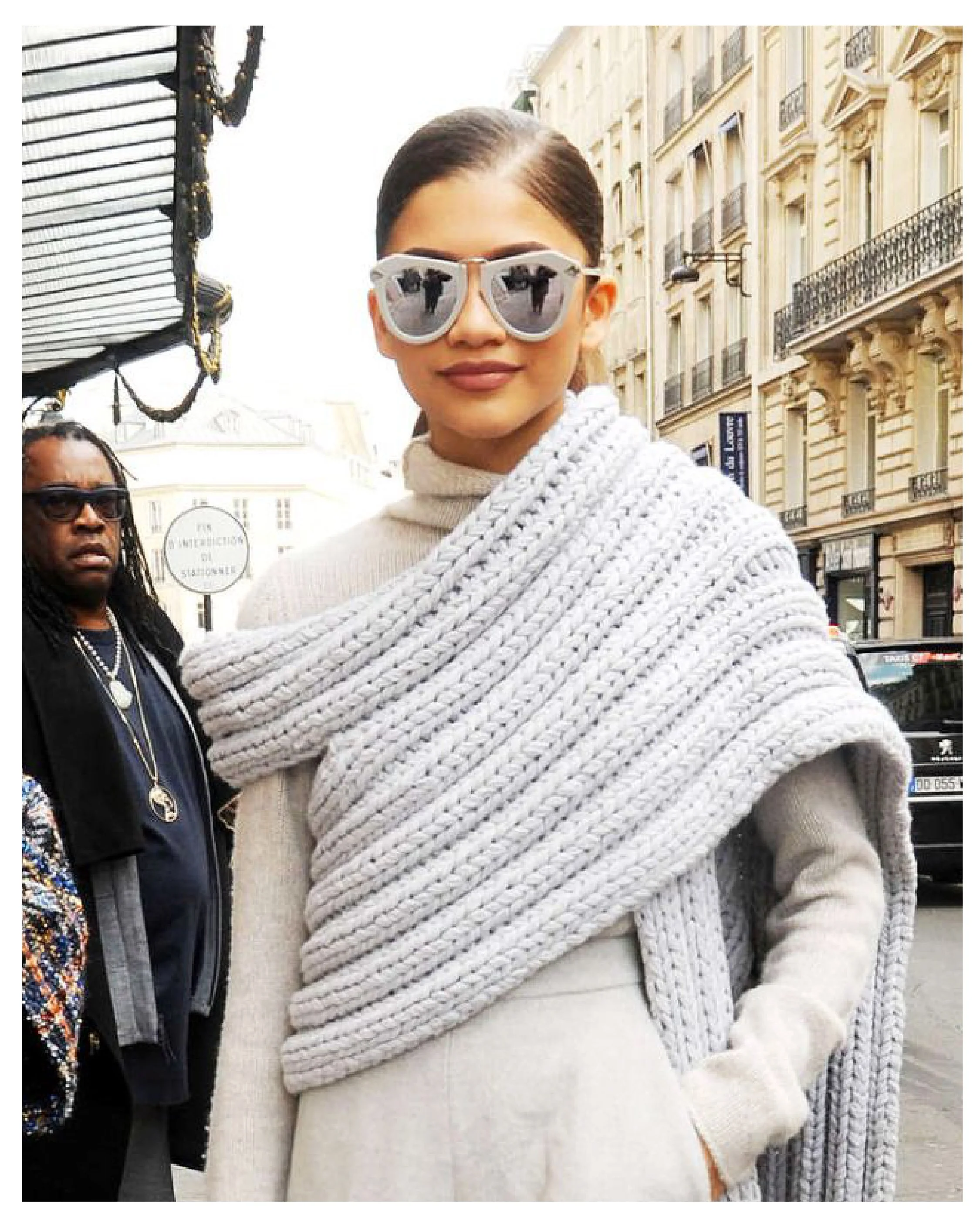
Look past shape, and another pattern starts to emerge: white.
White. Ivory. Cream. Sometimes chunky and retro, sometimes sharp and futuristic.
Zendaya has worn it. Harry Styles has worn it. Billie Eilish has worn it. Emma Chamberlain and Jaden Smith have had it in rotation too. Different aesthetics, different silhouettes, the same striking contrast of a pale frame against a dark lens.
And once you notice it, you start seeing it everywhere.
White isn't new. That's the point. It has been moving in and out of fashion for decades — from the exaggerated shapes of the 1960s and '70s through to minimalist, futuristic interpretations today. The colour has survived countless changes in silhouette, and that longevity matters.
White doesn't really belong to one decade. Depending on the frame, it can feel retro, glamorous, ironic, futuristic or completely contemporary. It can sit against an entirely neutral outfit, or become the one element deliberately interrupting it.
Perhaps that's exactly why it works now. Gen Z hasn't necessarily invented a new eyewear language — it's sampling the entire archive and rearranging it.
The cool-kid code
White is also not the easiest eyewear colour to wear.
Black disappears. Tortoiseshell feels familiar. Fine metals quietly become part of the face. White refuses to. It's graphic, conspicuous and slightly difficult. On the wrong frame it can feel costumey; on the right person it looks impossibly cool.
And perhaps that difficulty is part of the appeal. It feels less like a mass-market trend and more like a visual code appearing among the people who use eyewear most deliberately as fashion.
There may be no Gen Z frame. But there might be a Gen Z colour.
Right now, I think it's white.
What optical retail can learn from it
The bigger story isn't really about selling more white sunglasses.
It's about the way a new generation sees eyewear — not simply as something functional, and not even as one signature pair, but as another part of the wardrobe, something that can change the character of a look entirely.
For optical retail, that means frames need more than a display stand. They need context. Styling. Personality. They need a story.
Because the next icons of eyewear may not be defined by one famous shape at all. They may be defined by the visual codes a generation creates around them.
THE WHITE EDIT
Our pick of the frames worth knowing.
References
Dodd, Ingrid. "The Timeless Allure of White Designer Sunglasses: A Fashion Statement for Every Season." Optyx, 15 April 2023.
Glasscock, Jessica. Making a Spectacle: A Fashionable History of Glasses. Black Dog & Leventhal, 2021.
Handley, Neil. Cult Eyewear: The World's Enduring Classics. Merrell, 2011.
Sabin, Stefana. In the Blink of an Eye: A Cultural History of Spectacles. Translated by Nick Somers, Reaktion Books, 2021.
